
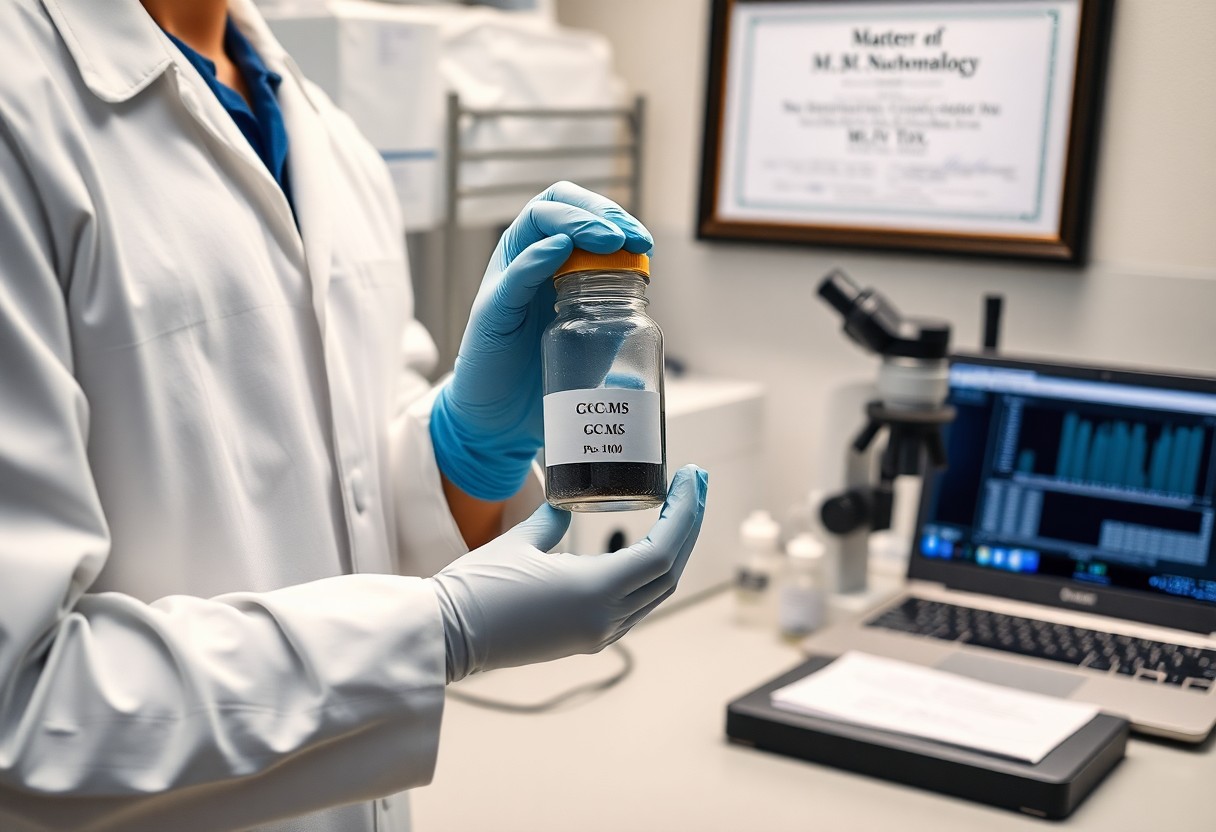
Just one chemical spill can disrupt an ecosystem for decades, and you are on the front line of understanding these consequences. The Master of Environmental Toxicology (M.Env.Tox.) equips you with the scientific rigor to analyze how pollutants affect living systems, interpret exposure risks, and contribute to evidence-based environmental protection in industries ranging from public health to regulatory agencies.
Key Takeaways:
- A Master of Environmental Toxicology equips professionals with the scientific foundation to evaluate how synthetic and naturally occurring chemicals affect ecosystems and human health, using methods from biochemistry, ecology, and risk assessment.
- Graduates often work in government agencies, environmental consultancies, or research institutions, analyzing contaminants such as per- and polyfluoroalkyl substances (PFAS) in water supplies or pesticide residues in agricultural runoff.
- The program emphasizes laboratory and field-based research, requiring students to design studies that measure toxicity endpoints in species ranging from aquatic invertebrates to mammalian models.
- One core component involves interpreting dose-response relationships and applying them to real-world exposure scenarios, such as estimating safe thresholds for mercury in fish consumed by vulnerable populations.
- Accredited programs typically require a thesis based on original research, such as a case study examining endocrine disruption in amphibians near industrial discharge sites.
The Silent Chemical Landscape
Defining the Scope of Environmental Toxicology
You examine how synthetic and naturally occurring substances affect ecosystems and human health, focusing on exposure pathways, dose-response relationships, and persistence in air, water, and soil. Your work identifies hazards before they escalate, such as detecting endocrine disruptors in municipal effluents.
The Interconnected Web of Life
You trace chemical movement through food chains, observing how pollutants like mercury accumulate in apex predators. A contaminated stream doesn’t just harm fish; it affects birds, mammals, and communities relying on those resources for sustenance and cultural practices.
Chemicals released in one biome often migrate far beyond their origin. You analyze samples from Arctic ice cores and find legacy pesticides banned decades ago, transported by atmospheric currents. This long-range dispersal demonstrates that no ecosystem remains isolated, and your assessments must account for global circulation patterns to predict ecological risk accurately.
Pursuing the Master of Environmental Toxicology
Enrolling in a Masters of Toxicology Degree Program equips you with the scientific rigor needed to evaluate how environmental agents affect biological systems, preparing you for roles in research, regulatory agencies, or public health institutions.
Core Competencies and Curricular Foundations
You gain proficiency in toxicokinetics, dose-response assessment, and risk characterization, grounded in coursework that integrates biology, chemistry, and environmental health sciences to address real-world contamination scenarios.
Analytical Methods in Laboratory Research
You learn to operate advanced instrumentation such as gas chromatography-mass spectrometry and inductively coupled plasma mass spectrometry, applying these tools to detect and quantify trace pollutants in environmental and biological samples.
Training in analytical methods emphasizes precision and reproducibility, with laboratory modules simulating exposure assessments in soil, water, and air matrices. You interpret data from controlled experiments, such as measuring heavy metal bioaccumulation in aquatic organisms or pesticide residues in agricultural runoff, building technical expertise vital for evidence-based toxicological evaluation.
The Path of the Toxicologist
Admission Requirements for Aspiring Stewards
To enter the Master of Environmental Toxicology program, you typically need a bachelor’s degree in a life or physical science, with coursework in chemistry, biology, and statistics. Some programs require letters of recommendation, a statement of purpose outlining your interest in environmental health, and relevant research or work experience. Competitive applicants often have laboratory experience or prior involvement in environmental projects, such as monitoring water quality in a local watershed.
Professional Trajectories in Public Health
You can apply your expertise in public health agencies where exposure risks from contaminants like heavy metals or endocrine disruptors are assessed. Positions in state health departments or organizations such as the CDC involve analyzing biomonitoring data to inform policy. Your evaluations may directly influence advisories on drinking water safety or air quality standards in urban communities.
Public health roles often place you at the intersection of science and community well-being, where your toxicological assessments shape intervention strategies. For example, you might investigate elevated lead levels in a school district’s water supply, tracing the source and recommending remediation steps. These positions require clear communication with non-scientists, including policymakers and affected populations, ensuring findings lead to actionable change.
Assessing Anthropogenic Impact
Contaminants in Terrestrial Ecosystems
Heavy metals from industrial runoff accumulate in soil, entering food chains through crops and grazing animals. You analyze lead levels in farmland near urban centers, identifying contamination hotspots that correlate with historical manufacturing activity. Persistent pesticides like DDT, though banned decades ago, still appear in soil samples due to slow degradation rates.
Aquatic Toxicity and Marine Life
Microplastics and pharmaceutical residues infiltrate waterways, disrupting endocrine systems in fish and amphibians. You examine effluent discharge near wastewater treatment plants, finding elevated estrogenic activity in downstream aquatic populations. These compounds alter reproductive behaviors even at low concentrations.
A single wastewater outflow can introduce hundreds of synthetic compounds into a river system, many unregulated and poorly understood. You trace the presence of antidepressants in freshwater bass, observing altered feeding patterns and reduced predator avoidance. Such behavioral shifts compromise population resilience and ecosystem balance over time.
Regulatory Frameworks and Ethical Duty
Policy Development for Chemical Safety
You contribute to shaping regulations that govern chemical use by evaluating toxicity data and identifying exposure thresholds. A mid-sized SaaS firm developing predictive toxicology models collaborates with agencies to refine risk assessment protocols, ensuring safer industrial practices.
The Moral Obligation to Future Generations
You carry a responsibility to protect ecological integrity for those who inherit the planet. Persistent pollutants like PCBs remain detectable decades after bans, illustrating how today’s decisions echo across generations.
Long-term environmental stewardship requires anticipating consequences beyond immediate regulatory compliance. When you assess the bioaccumulation potential of emerging contaminants such as perfluorinated alkyl substances, you engage in an ethical practice that prioritizes intergenerational equity over short-term convenience. Scientific judgment becomes a form of guardianship, where restraint in chemical innovation reflects not weakness but foresight.
To wrap up
You are equipped to analyze complex chemical interactions in ecosystems, drawing on interdisciplinary methods to assess risks posed by pollutants. Your training enables you to interpret toxicological data with precision, such as evaluating bioaccumulation patterns in aquatic species near industrial discharge sites. You will apply ethical reasoning when advising on regulatory standards, ensuring public and environmental health are prioritized. Graduates from the M.Env.Tox. program have gone on to shape policy, lead monitoring initiatives, and contribute to long-term ecological studies, including research on pesticide residues in migratory bird populations.